

You leave port without hesitation
With the scope adjusted to your actual voyages, crossing to the Balearic Islands no longer depends on how the navigation scope is worded.
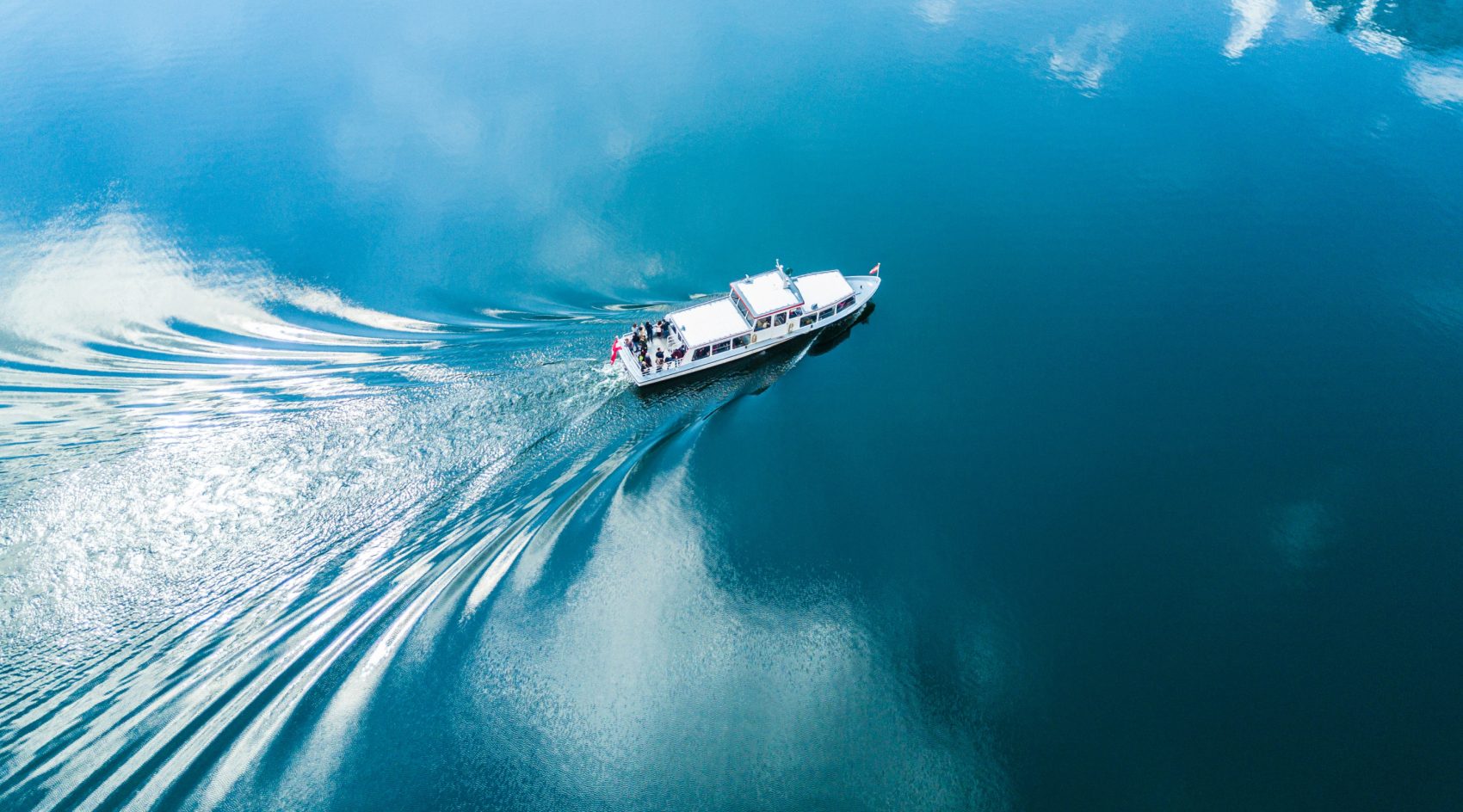
At JORI, we help you ensure your peace of mind and enjoyment in your sea adventures.
Recreational craft insurance combines the mandatory navigation liability —required by law for motorised vessels— with voluntary covers for own damage to the hull, engine, rigging and equipment. The most determining factor of the policy is the contracted navigation area: sailing outside the declared zone leaves the vessel without cover, and it is the most common exclusion in the sector.
With the scope adjusted to your actual voyages, crossing to the Balearic Islands no longer depends on how the navigation scope is worded.
In nautical terms, market value is debatable and total loss makes it impossible to appraise. The agreed value sets today what you will receive, without negotiation at the worst moment.
Assistance at sea by your own means costs several thousand euros. Included, a stalled engine is an inconvenience, not an expense.
Marinas require proof of valid civil liability to assign mooring. No policy, no berth.
Motorboats, sailboats and inflatables moored in port or on dry land.
Profiles crossing to the Balearic Islands, Canary Islands or North Africa and needing extended coverage.
Nautical charter, with specific requirements for liability and cover for skipper and passengers.
Sailors and water sports enthusiasts, needing cover during competition.
Our specialists' experience turns every risk into knowledge, and that knowledge into a solution designed for you and your family.
Every client faces a unique situation. We analyse each client's specific risks to detect vulnerabilities, assess security measures and propose improvements that strengthen the protection of their assets.
All our programmes are designed to integrate every cover needed and to bring peace of mind to those who trust us.
We carefully select insurers and design exclusive insurance programmes, adapted to each client's particular circumstances, with a fully tailor-made approach.
Claims are the most vulnerable moment for a client. That is why it is so important to have specialists who provide support throughout the process.
Six generations and more than 130 years devoted to insurance.
Civil liability for navigation is compulsory for motorised recreational vessels and for sailing vessels above a certain length, with minimum amounts set by regulation. Own damage is always voluntary.
The one you are actually going to navigate, with a margin. If you leave national waters once a year, contract the extended area for the whole year or notify the crossing before setting sail. Sailing outside the area is the most common reason for rejection in this line.
Yes, and it is where most claims occur. It is advisable to check that the policy covers storms in port, dry docking and launching manoeuvres, as not all include them with the same breadth.
Usually at an agreed value, settled at the time of contracting and updated periodically. It is preferable to the market value, which in boating is very debatable. Updating that agreed value every few years avoids falling short.
No. Chartering requires a commercial use policy, with specific RC against passengers and different conditions. Renting with a recreational policy leaves the vessel without cover and generates personal liability for the owner.
Only if declared. Participation in competition is excluded by default in almost all policies and requires express extension, with particular conditions for the rigging, which is what breaks most in competition.