
One expiry instead of twenty
The entire fleet renews on the same day and is negotiated as a block. The administrative management savings usually justify the change on their own.
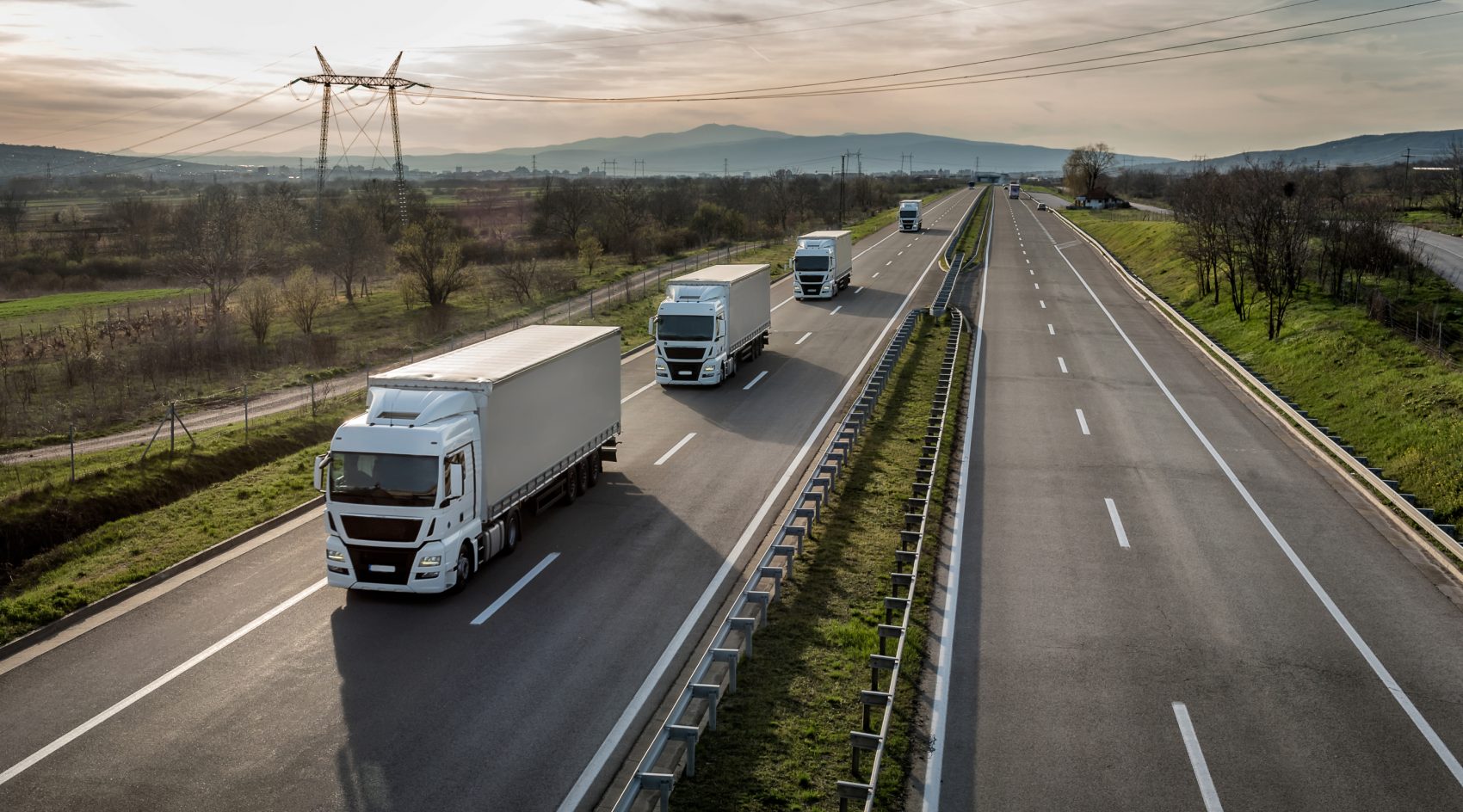
We design an insurance policy suitable to cover the risks associated with the ownership and use of multiple vehicles, whether in a personal or professional context.
A fleet policy groups all the company's vehicles into a single contract with common conditions and expiry. Unlike the sum of individual policies, it allows negotiating the premium based on the actual claims of the whole, adding and removing vehicles without re-contracting, and having aggregated information to act on the causes of claims instead of just paying them.
The entire fleet renews on the same day and is negotiated as a block. The administrative management savings usually justify the change on their own.
Additions take effect with a communication, without a new contract or waiting. A vehicle stopped due to paperwork costs more than the premium difference.
Claims by vehicle, driver, and cause indicate where to intervene with training or route review. It is the only lever that sustainably lowers the premium.
From a certain volume, access is gained to modalities where low claims are returned in the form of a refund. Prudence at the wheel has a direct return.
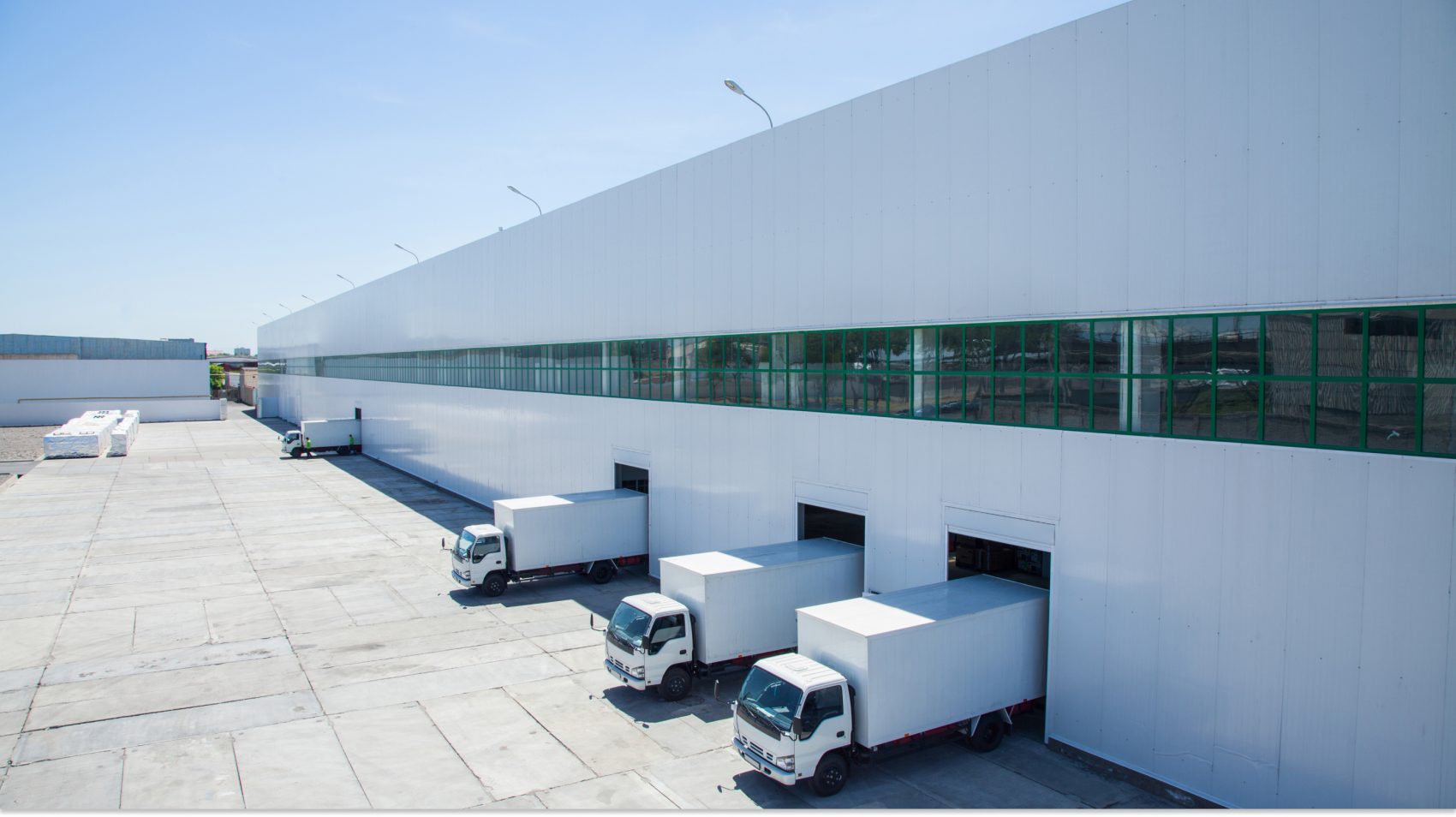
Van fleets with high driver turnover and claims concentrated in urban manoeuvres.
Tractors, semi-trailers and special vehicles with specific requirements for mandatory RC and goods.
Vehicles assigned to sales and executives, requiring homogeneous cover and agile management.
Forklifts, platforms and self-propelled machinery, requiring alignment between circulation RC and operational RC.
Our specialists' experience turns every risk into knowledge, and that knowledge into a solution designed for your business.
Every company faces a unique situation. We analyse each company's specific risks to detect vulnerabilities, assess security measures and propose improvements that strengthen the protection of its business.
All our programmes are designed to integrate every cover needed and to bring peace of mind to the companies that trust us.
We carefully select insurers and design exclusive insurance programmes, adapted to each company's particular circumstances, with a fully tailor-made approach.
Claims are the most vulnerable moment for a business. That is why it is so important to have specialists who provide support throughout the process.
Six generations and more than 130 years devoted to insurance.
As a practical reference, from five vehicles there is room for negotiation, and from ten the administrative savings alone justify the change. With high volumes, it is possible to move to models with profit-sharing.
Based on claims over the last three to five years, the type of vehicle, its use and the geographical area. That's why we first work on the history: presenting the risk with organised data and corrective measures changes the price more than asking for a discount.
It joins the fleet with immediate effect through communication, without a new contract, and the premium is prorated until the common expiry. This is one of the main reasons for grouping in a fleet.
In fleets with many small claims, yes. Internally assuming minor damages reduces the declared frequency and improves renewal. It is a treasury decision that must be measured with numbers, not intuition.
Yes, if it is contracted as open or occasional driving. It is advisable to expressly declare it when there is high turnover or young drivers, because an unmet driver limitation can lead to insurer recourse.
They require their own circulation liability if they move on roads where it is required, and explicit alignment with operational liability for when they work within facilities. We always review this overlap because it is a very common gap.