

You sell with the Incoterms requested
Offering CIF or CIP requires you to provide the cover. Without your own policy, you are excluded from operations where the buyer imposes these terms, which are the majority in export.
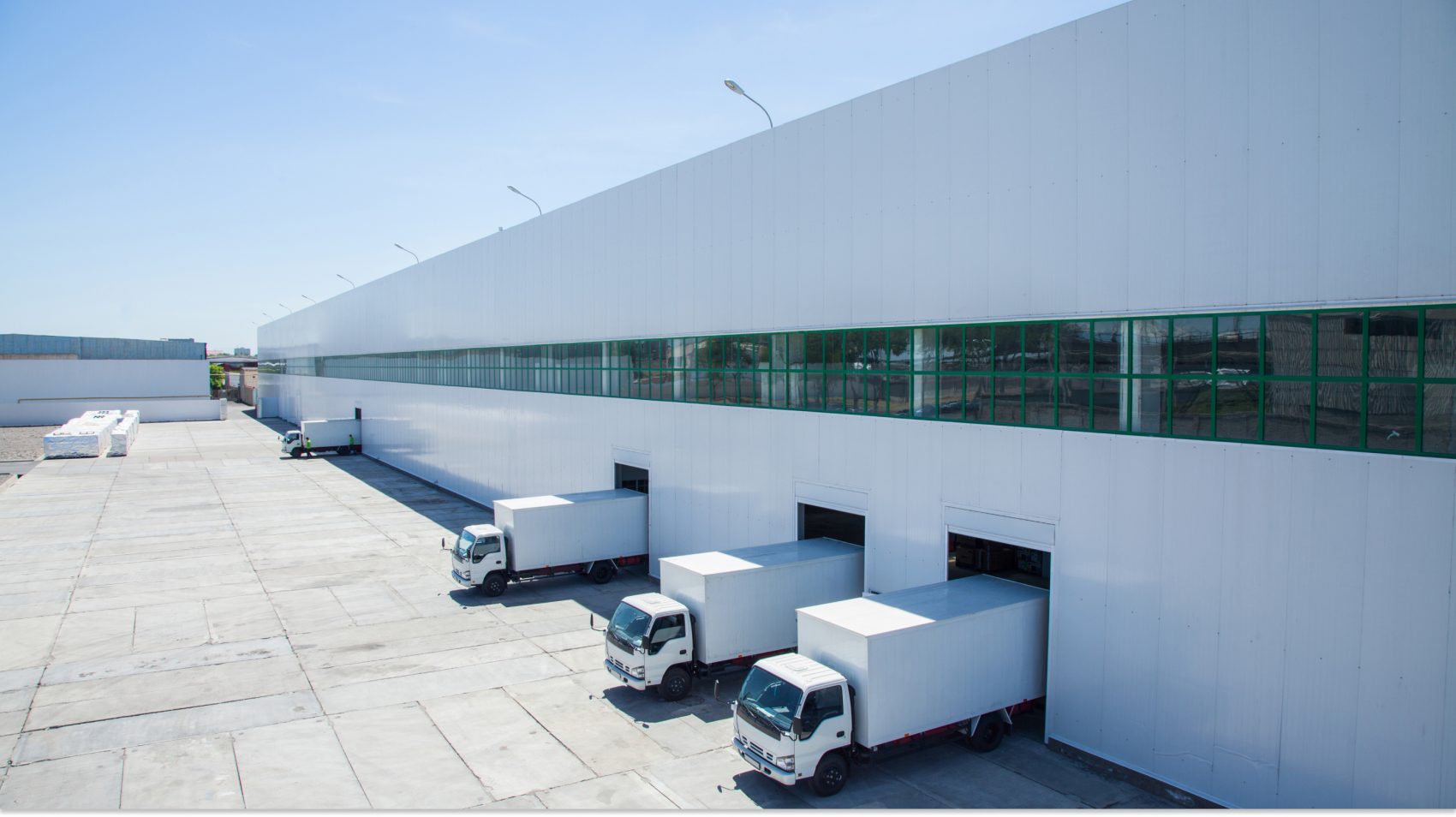
We insure goods in transit for carriers, logistics operators, customs agents, and shippers. The programme is designed based on the actual route, as each segment—agreement, terminal, stay—responds with different rules.
Transport insurance covers goods while they travel and the carrier's liability towards the shipper. These are two distinct and complementary covers: the goods policy compensates the value of damaged or stolen goods, while the carrier's liability only responds up to the legal limits of the CMR or LOTT, which are much lower than the actual value of the cargo. A company relying solely on the carrier's liability is covered well below the value it handles.
Offering CIF or CIP requires you to provide the cover. Without your own policy, you are excluded from operations where the buyer imposes these terms, which are the majority in export.
The bank does not release payment of a letter of credit without the shipment's insurance document. With an open policy, you issue it yourself on the same day, without negotiating conditions shipment by shipment.
Insuring a shipment is around one or two per thousand of its value. A single uncovered loss is equivalent to the premium of several years of traffic.
Replacing a lost load in days maintains the commercial relationship. Arguing for months over who is responsible breaks it, even if you end up being right.
National and international transport companies that need to cover their liability towards the shipper and protect vehicles, trailers and drivers.
Profiles that assume chained third-party responsibilities and where the wording of the clauses determines who pays each claim.
Manufacturers and distributors who dispatch their own goods and want to cover the real value, not the legal limit of the carrier.
Importers and exporters with multimodal operations, diverse Incoterms and the need for shipment certificates.
Our specialists' experience turns every risk into knowledge, and that knowledge into a solution designed for your business.
Every company faces a unique situation. We analyse each company's specific risks to detect vulnerabilities, assess security measures and propose improvements that strengthen the protection of its business.
All our programmes are designed to integrate every cover needed and to bring peace of mind to the companies that trust us.
We carefully select insurers and design exclusive insurance programmes, adapted to each company's particular circumstances, with a fully tailor-made approach.
Claims are the most vulnerable moment for a business. That is why it is so important to have specialists who provide support throughout the process.
Six generations and more than 130 years devoted to insurance.
Yes. The carrier's insurance covers their liability, not the value of your goods, and only responds if their fault is proven and up to legal limits. If the cargo is lost due to a cause not attributable to the carrier, or if the value exceeds the CMR limit, you bear the difference.
The voyage policy covers a specific shipment and is contracted on an ad-hoc basis. The open or floating policy covers all shipments during the period, is declared monthly, and adjusts the premium according to actual volume. For a company with recurring shipments, the open policy is cheaper and avoids the risk of forgetting to insure a shipment.
It depends on the agreed custody conditions. Standard policies usually require monitored or enclosed parking for sensitive loads. We negotiate these conditions based on the company's actual routes and stops, because a clause that is impractical in practice is a hidden exclusion.
The usual practice is invoice value plus freight plus a percentage of expected profit, typically 10%. Underinsuring activates the proportional rule and reduces the compensation in the same proportion as the underinsurance.
The agreements are applied accordingly and often, local mandatory insurance requirements. We coordinate the Spanish policy with local correspondents to ensure there are no gaps in cover or duplications that cancel each other out.
We do. We determine who is responsible for responding, coordinate assessments, preserve the right of recourse against the responsible party, and prevent the company from being caught between insurers passing the file to each other.
Insuring shipment by shipment is slow, expensive, and leaves gaps. The open policy covers all shipments of the year and issues a certificate when the bank requests it.
6 min readTechnical noteOnly two Incoterms oblige the seller to contract insurance. In the rest, the risk changes hands earlier than most companies assume.
5 min read